TikTok’s Local Feed Is a Game Changer for Small Businesses: Are You On It?
Here’s something that happened on February 11, 2026 that most local business owners completely missed: TikTok launched its opt-in Local Feed in the United States, surfacing content related to nearby travel, news, events, shopping and dining based on the user’s current location. No big announcement on the evening news. No push notification on your phone. Just a quiet feature rollout that is already changing how local businesses get discovered — and most of your competitors have no idea it exists.
If you’ve been writing off TikTok as a platform for teenagers doing dance challenges, it’s time to reconsider. This isn’t about going viral. This is about showing up in front of people in your city who are actively looking for exactly what you offer — for free.

What the Local Feed Actually Is
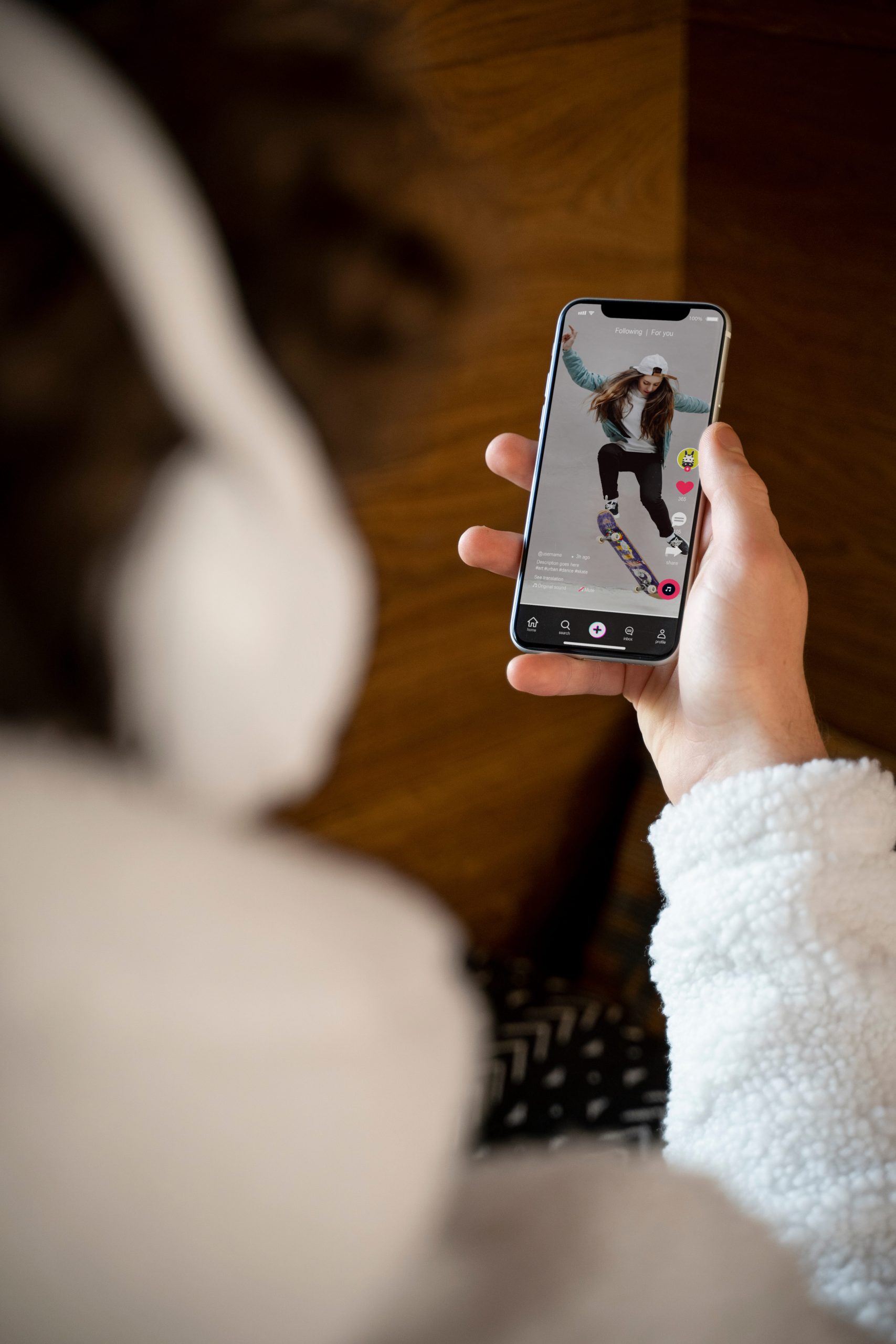
The Local Feed is a new tab appearing on the TikTok home screen — alongside “Following” and “For You” — specifically curated to help people stay connected to their immediate communities. Think of it as TikTok’s answer to Google Maps and Yelp, except instead of static listings it serves real video content from real local businesses directly to people nearby.
Posts in the Local Feed are shown based on three factors: location, topic, and recency. Not follower count. Not advertising spend. Location, topic, and recency.
Read that again. A business with 200 followers that posts a video about their service and tags their city can appear in the Local Feed of people in that city searching for exactly that service. You don’t need a big following. You don’t need a paid campaign. You just need to post the right content in the right place at the right time.
The Search Engine Nobody Is Talking About
Here’s what makes this even more significant: 48% of Americans now use TikTok as a search engine — up nearly 20% in just two years. People are typing “best [service] near me” into TikTok’s search bar and watching video results instead of reading Google listings.
On Google, a competitive local service keyword represents years of SEO investment, expensive pay-per-click ads, and well-funded companies fighting for position. On TikTok, searching for that same service in your city might return a handful of videos — or none at all.
That gap is your opportunity. The businesses that start posting consistently on TikTok right now are staking out territory that their competitors will spend years trying to catch up to. This is what early Google SEO looked like in 2005. The businesses that showed up when nobody else did built customer pipelines that outlasted every trend that came after.
What This Means for Your Business Specifically
According to the Small Business & Entrepreneurship Council, 84% of TikTok small business users say the platform helped grow their business, and 74% say TikTok helps them connect with their local community.
And those numbers were before the Local Feed existed.
In the UK alone — where the feature launched in December 2025 — 46% of TikTok users have already visited a local shop, restaurant, or attraction after discovering it on the platform. Not clicked a link. Not saved a post. Actually got in their car and showed up. That is the kind of conversion rate paid advertising dreams about.
For a local service business — a landscaper, a detailing shop, a flooring company, a fitness studio — the Local Feed is essentially a free ad that runs to people in your neighborhood every time you post something relevant. The algorithm does the targeting for you.
How to Actually Show Up in the Local Feed
This is where most articles stop at “post more content” and call it done. Here’s what actually gets you into the Local Feed:
Geo-tag every single post. This is non-negotiable. TikTok recommends location tags based on proximity, popularity, and content signals in the post — but you need to add the location for it to surface in local discovery. Every video you post should have your city tagged. No exceptions.
Post about topics that match what people are searching. The Local Feed algorithm matches content to users based on topic relevance. A window tinting shop that posts “how to know if your tint is legal in [state]” is targeting a search query people are actually typing. A landscaper posting “spring lawn recovery tips for Minnesota homeowners” is owning a topic in their exact market.
Post consistently and recently. Recency is one of the three ranking factors. An old video — no matter how good — gets buried. A fresh video posted this week showing your latest job gets surfaced. The businesses winning on the Local Feed aren’t posting viral content. They’re posting real, recent, local content on a consistent schedule.
Register as a TikTok Business Account. Connecting your TikTok profile to a verified business entity unlocks organic features including link in bio, lead generation forms, and geo-targeting. Takes five minutes and gives you tools a personal account simply doesn’t have.
What to Actually Film
You don’t need a ring light, a script, or a videographer. You need a phone and something worth showing. Here’s what’s working right now for local businesses on TikTok:
A before-and-after of any job — pressure wash, paint, landscaping, detailing, flooring, anything visual. A 30-second walkthrough of a finished project with zero narration. A quick “myth vs. reality” about your industry — the things customers get wrong that cost them money. A day-in-the-life showing the real work behind what you do. A response to a question a customer asked you this week.
None of these require creativity. They require showing up with your phone and pressing record.
The Bottom Line
TikTok is closing the loop on the discovery-to-purchase journey for local businesses. Geotagging and local content are no longer optional — they are essential.
Most of your competitors are not on TikTok. The ones who are aren’t using it strategically. Which means right now — today — you have the chance to own your market on a platform that is actively serving local content to local buyers.
The Local Feed launched two months ago. The businesses that start now will be the ones that look back on 2026 as the year everything changed. The ones that wait will be paying to catch up.